Early Life and Background
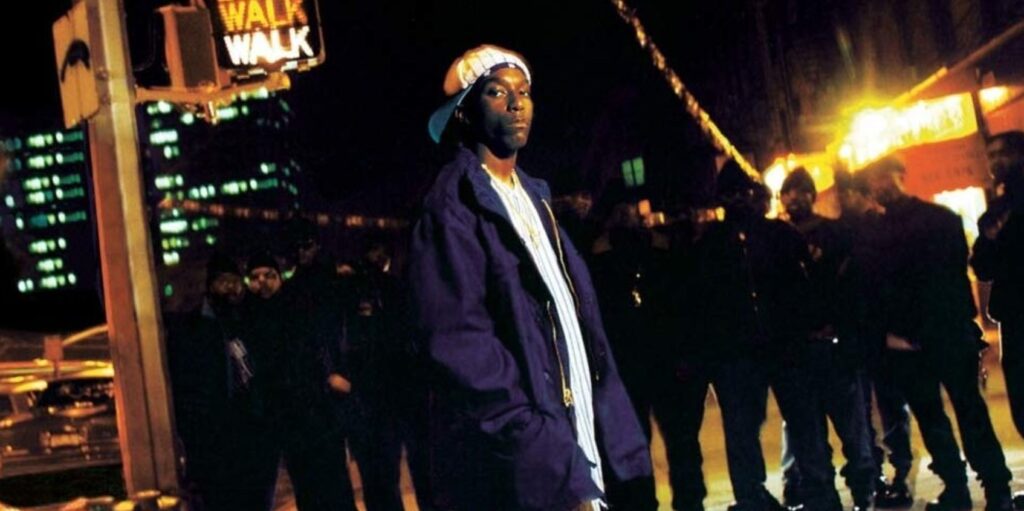
Lamont Coleman, widely recognized for his artistic persona, was born on March 30, 1974, in Harlem, New York City. Growing up in a neighborhood that was a melting pot of culture and challenges played a significant role in shaping his identity and artistic vision. Coming from a lower-middle-class family, Lamont faced the difficulties of poverty, which influenced not only his outlook on life but also the themes that would later characterize his music. His family dynamics were complex; being raised by a single mother in a high-crime area instilled in him resilience and a deep sense of ambition.
As a child, Lamont was exposed to a variety of music genres, as his mother often played records from various artists. This early exposure planted the seeds of his passion for music. He attended public schools in Harlem, where he demonstrated a natural affinity for creativity, often engaging in writing poetry and rapping with peers during school breaks. Despite the academic challenges he faced, Lamont’s love for music became a refuge that allowed him to express himself in ways he could not do in his everyday life.
Significant relationships within his community also played a pivotal role in Lamont’s upbringing. He formed bonds with local artists and mentors who recognized his talent and encouraged him to pursue a career in music. At a young age, he began to perform at local talent shows, showcasing his lyrical prowess and captivating audiences. These formative experiences helped develop his craft and fostered a desire to elevate his voice within the hip-hop genre. The socio-economic backdrop of Harlem, combined with the relationships he nurtured, laid the groundwork for Lamont Coleman’s future as a rising star in the world of hip-hop music.
Musical Career and Breakthrough
Lamont Coleman, professionally known as Big L, emerged as a formidable figure in the hip-hop landscape during the 1990s. Growing up in Harlem, New York City, he was deeply influenced by the vibrant local culture and the pioneering artists of the genre. His early exposure to music laid the groundwork for his lyrical prowess and distinctive style, which would later characterize his recordings. Coleman began rapping at a young age, honing his skills in local freestyle battles and earning recognition among his peers.
Coleman’s initial foray into the music industry was marked by his affiliation with the group Children of the Corn, alongside notable artists such as Cam’ron and Murda Mase. This collective provided a platform for his early recordings, showcasing his intricate rhymes and storytelling ability. However, it was his debut album, “Lifestylez ov da Poor & Dangerous,” released in 1995, that catapulted him into the spotlight. This project featured standout tracks that highlighted his lyrical finesse and unique narrative style, establishing him as a promising artist in the hip-hop community.
Key milestones, such as his posthumous releases and the recognition of his influence on modern hip-hop, reflect the enduring legacy of Lamont Coleman. His impact continues to resonate, inspiring budding artists and shaping the future of the genre.
Personal Challenges and Triumphs
Lamont Coleman, known professionally as Big L, faced numerous personal challenges throughout his life that significantly influenced both his music and public persona. One of the most prominent hurdles he encountered was his ongoing battle with addiction. Growing up in Harlem, he was exposed to a range of temptations that often threatened to derail his promising career. These struggles with substance abuse not only impacted his health but also complicated his relationships with family, friends, and colleagues in the hip-hop community.
In addition to addiction, Coleman dealt with various legal issues that underscored the tumultuous environment in which he was living. He was often caught in the crosshairs of the law, facing charges that reflected the harsh realities of street life. These legal challenges added a layer of complexity to his public image, creating a duality that was prominent in both his music and personal life. His lyrics often mirrored these struggles, employing vivid storytelling that resonated with many listeners navigating similar circumstances. The raw authenticity of his work served as a means of catharsis, allowing him to channel his pain and experiences into a form of artistic expression.
Despite these difficulties, there were crucial turning points that led to personal growth for Coleman. At various stages, he sought to redefine his narrative, striving to rise above the challenges that threatened to engulf him. His ability to confront and articulate his struggles through his music not only showcased his resilience but also allowed him to connect deeply with his audience. Ultimately, Lamont Coleman’s journey was marked by a persistent pursuit of self-improvement, demonstrating that even amidst adversity, one can strive toward greatness in the face of overwhelming odds. This transformation became a significant theme in his later works, solidifying his legacy as both a talented artist and a complex individual.
Legacy and Influence on Hip-Hop
Lamont Coleman, better known as Big L, has left an indelible mark on the hip-hop genre, shaping its evolution long after his tragic passing in 1999. His distinct style, characterized by intricate wordplay and an unparalleled command of rhythm, set a new standard for lyricism that continues to resonate with today’s artists. Big L’s influence is particularly evident in the works of contemporary rappers who cite him as an inspiration, demonstrating how his legacy transcends time and genre boundaries.
One of the most notable aspects of Big L’s enduring impact on hip-hop culture is his role in the underground scene of the 1990s. His association with the Diggin’ in the Crates Crew and collaborations with other prominent artists showcased his talent and fostered a sense of community among like-minded creators. This collaborative spirit has inspired current artists to maintain authenticity while pushing the genre’s boundaries. Posthumous releases, such as “The Big Picture,” highlight his lyrical prowess and introduce new generations to his music. These compilations serve not only as a testament to his artistry but also as a means of preserving his influence in an ever-evolving musical landscape.
Tributes from fellow artists and fans alike reinforce the significance of Big L’s contributions to hip-hop. From remixes to references in lyrics, his work continues to be celebrated, emphasizing the lasting allure of his unique sound. Critics frequently draw parallels between his cutting social commentary and the themes prevalent in modern hip-hop, revealing how his insights remain relevant today. This acknowledgment of his legacy by the hip-hop community exemplifies the respect and admiration that persists for Big L, solidifying his status as a pivotal figure in the genre’s history.